A 6-3 procedural decision by the high court leaves 30% of American voters facing potential administrative chaos just days before midterm ballots ship. Here is what happened—and your emergency action plan.
On Monday, the Supreme Court threw a wrench into the upcoming midterm elections. In a 6-3 vote, the conservative majority threw out a preliminary injunction on procedural grounds, ruling it was “too early” for Democratic-led states to challenge President Trump’s executive order restricting mail voting.
The Court did not rule that the order is constitutional. Instead, this single technical maneuver restarted a high-stakes legal war on an impossibly compressed timeline—just days before North Carolina sends the nation’s first military and overseas ballots on September 4.
A second legal hold currently prevents the U.S. Postal Service from enforcing the administration’s directive, but the Justice Department is rushing to dissolve it. If cleared, new USPS regulations would force states to:
- Scrap & Re-print Ballot Envelopes: Mandate hyper-specific envelope formatting, rendering millions of pre-printed election envelopes useless.
- Create a National Tracking Database: Force states to build an electronic system that identifies every mail-in voter to the Postal Service.
The penalty for non-compliance? The Postal Service simply won’t deliver non-conforming ballots.
Dissenting Justice Ketanji Brown Jackson warned the ruling “needlessly injects chaos and uncertainty into the upcoming midterm elections.” Local election officials from both parties agree. California’s Yolo County Registrar Jesse Salinas noted ballots drop in 11 days and envelopes are already printed. Nevada Secretary of State Cisco Aguilar called building a 100% accurate database in days “impossible.” The Elections Center confirmed that zero states currently meet these requirements.
The hypocrisy is stark: the 47th president has spent years attacking mail-in voting despite routinely casting his own ballots by mail. Furthermore, the U.S. Constitution explicitly grants election authority to states and Congress—not the executive branch. Legal experts like UCLA’s Rick Hasen stress that further litigation will likely block the order before November. But with lower courts backed into a corner, voters cannot afford to sit back and wait for the legal dust to settle.
🗳️ Your Voter Action Plan: What To Do IF You Vote by Mail
Do not let administrative confusion strip away your ballot. Take these proactive steps right now:
- Track Your Ballot Status Today: Visit your state’s Secretary of State or local election office website immediately. Confirm your voter registration, mailing address, and mail-in ballot request status.
- Request & Return Early: The moment your mail ballot arrives, complete it carefully, follow all signature guidelines, and send it back immediately to bypass potential postal delays.
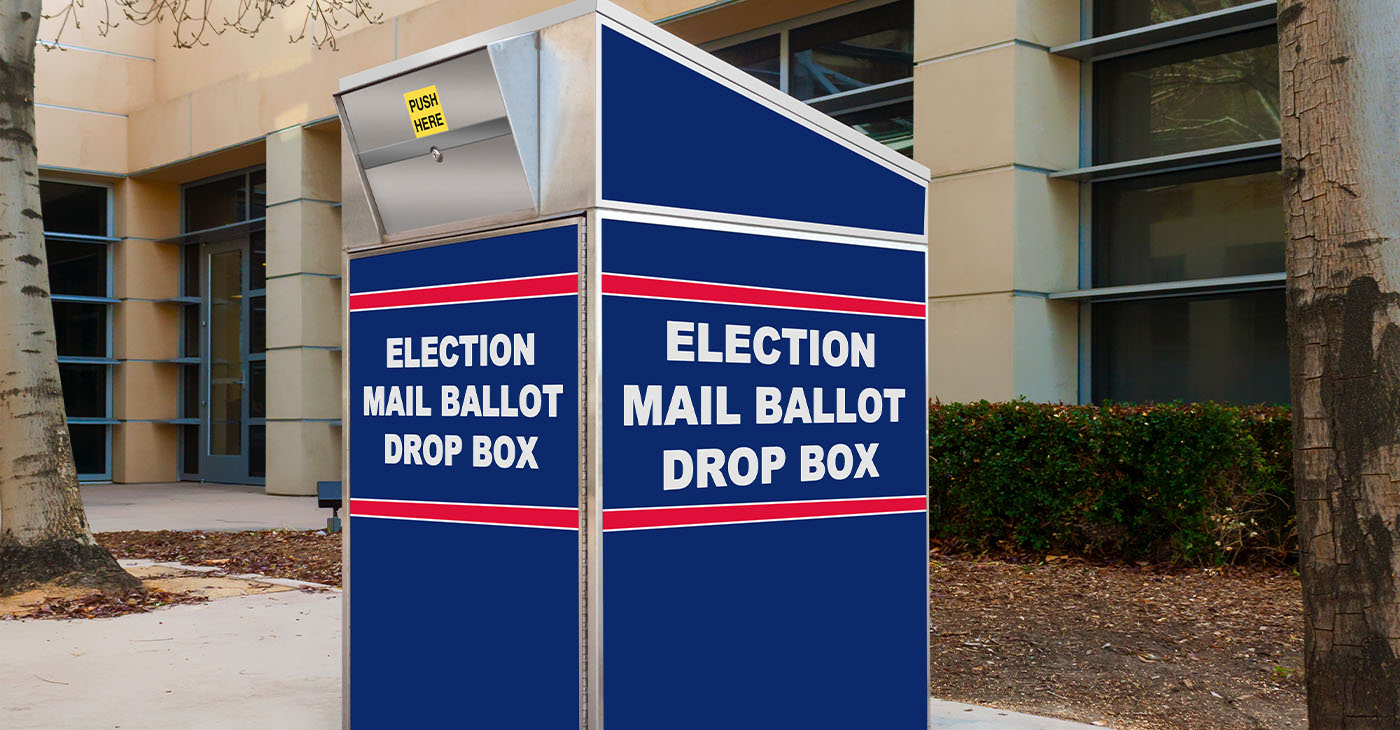
- Use Secure Drop Boxes or Hand Delivery: If your county offers official, secure ballot drop boxes or allows hand-delivery to your local election office, use them instead of mailing your envelope.
- Use Ballot Tracking Tools: Opt into your state’s ballot tracking service (such as Where’s My Ballot? or BallotTrax) to receive text or email updates the moment your vote is received and counted.
- Have a Plan B: Locate your designated early voting site and local polling place. If mail disruptions occur in your district, be prepared to vote in person or request a provisional ballot.