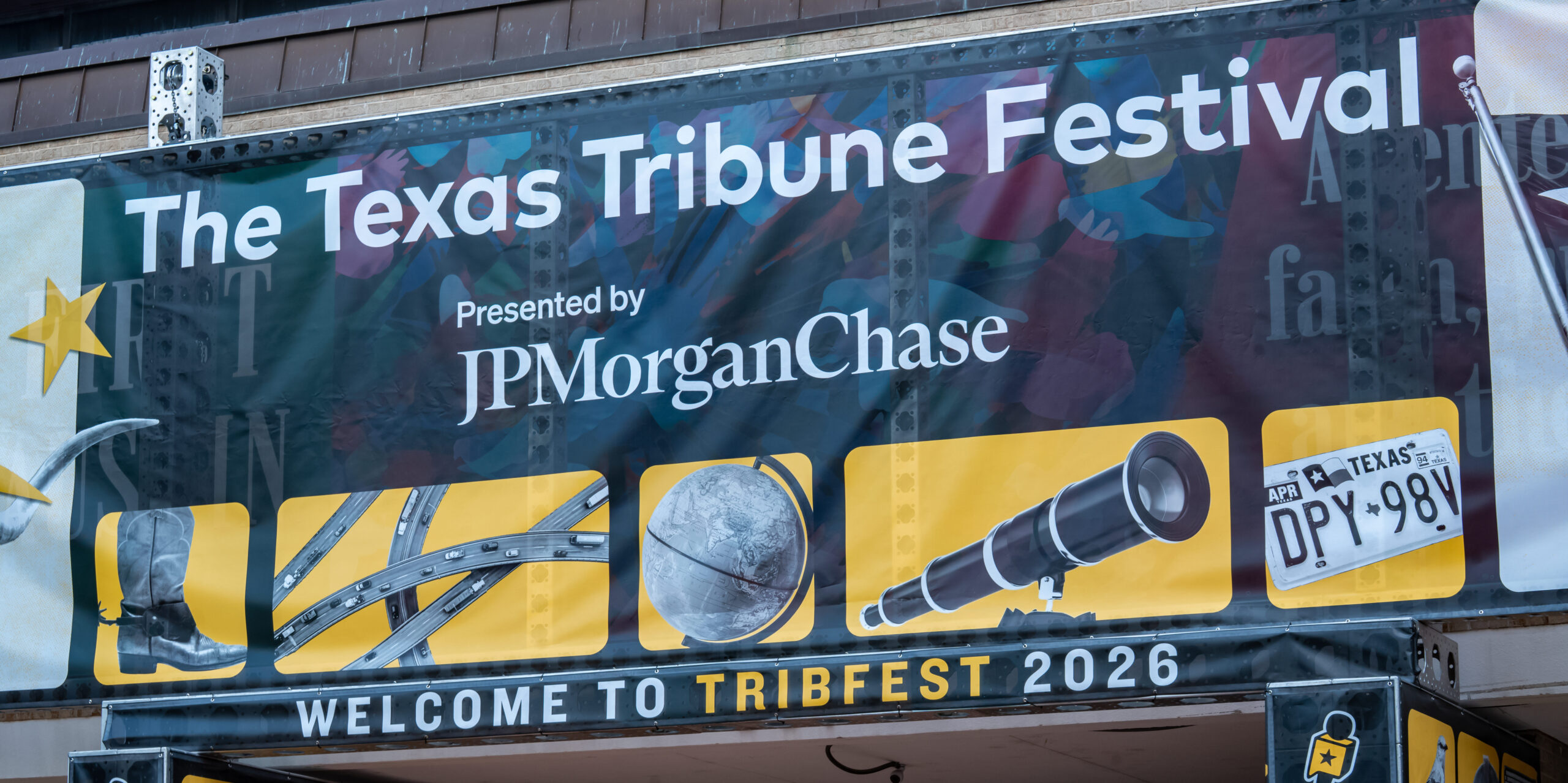
At the gas pump and the grocery store, party lines disappear—there is only the shared sting of rising costs and tighter margins. That made the Democratic & Republican Agenda panels at the 2026 Texas Tribune Festival in Austin such a standout moment. With open audience Q&A, Texans directly pressed the 30-year incumbent Republican leadership on their record, while weighing alternative promises from Democrats.

That stark divide took center stage. On one side of the aisle, Texas House Democratic Caucus leaders Rep. Gene Wu, Rep. Barbara Gervin-Hawkins, and Sen. Carol Alvarado posed a direct question: After three decades of absolute control, what have Republicans actually delivered for our daily lives? They laid out a clear strategy centered on everyday economics—lowering grocery costs, easing property tax burdens, cutting healthcare expenses, and protecting public school funding. Their argument comes down to basic fairness: Texans work hard and pay into the system, yet current leadership fails to deliver a real return on that investment.
Meanwhile, the Republican panel—featuring State Reps. Mitch Little, Daniel Alders, and Jeff Leach—offered a defense rooted in procedural math and party discipline. Rep. Little admitted outright that “there is not enough relief that we could provide Texas homeowners in the area of property taxes,” yet insisted that as long as baseline conservative voters turn out, the GOP will maintain its grip on power.
When discussion shifted to core personal freedoms, the contrast grew starker. On issues of healthcare access and bodily autonomy, GOP lawmakers largely danced around direct answers. Across town, Democratic lawmakers stood united in protecting individual liberties and keeping government overreaches out of personal medical decisions.

The cracks in the ruling party’s moral baseline became undeniable when discussing the race for Texas Railroad Commissioner. Republican candidate Bo French recently sparked national outrage by targeting Asian American UT Austin students with racist social media posts. While GOP figures like Rep. Leach publicly called the comments “hateful and racist,” they simultaneously admitted they would still “hold their nose” and vote for him at the ballot box.
Democratic candidate Jon Rosenthal captured the broader frustration of millions of voters: endorsing ugly, divisive rhetoric simply to protect a party line is an old tactic that working families are tired of carrying. Even veteran GOP strategists and lawmakers are beginning to acknowledge that when party loyalty overrides human decency, the platform self-destructs.

Does Texas families need ideological battles, gerrymandering games, or politicians begging for a second chance after 30 years in the driver’s seat? Or do they need practical answers? As state leaders gear up for November, the choice before Texans isn’t about red versus blue—it’s about whether they keep funding excuses or vote for leaders ready to lower their expenses, respect their freedom, and earn their vote.