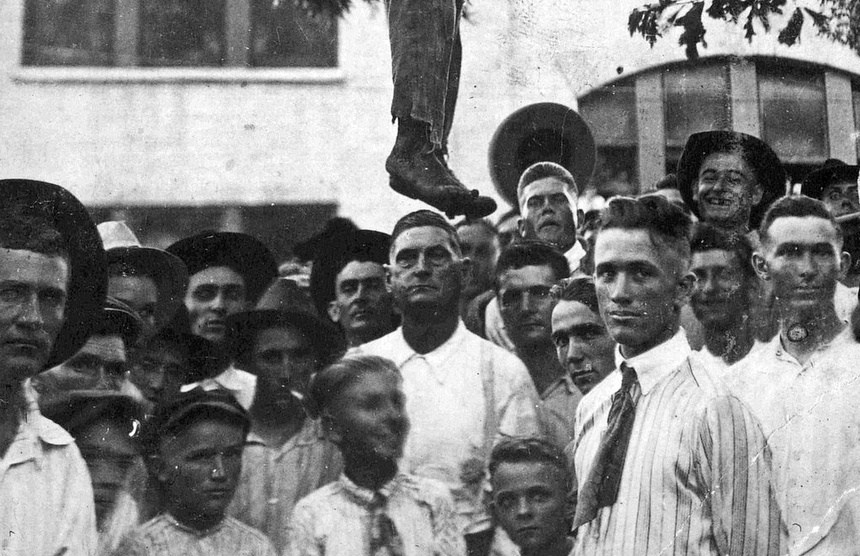
The recurring nightmare of Black bodies found hanging across America—predominantly in the South—is not a historical relic. It is an ongoing crisis. When 38-year-old Demetrius Fleming was found dead in Roanoke Rapids just six days after another Black man was found hanging from a tree in downtown Raleigh, local law enforcement leaned heavily on their usual playbook: swift suicide classifications or calls to avoid public “speculation”. But in a state with a documented legacy of racial violence that has seen at least four Black hanging deaths in a single year—including 16-year-old Juliana Nzita and 36-year-old Cedric Tayhue—labeling these acts as self-inflicted statistics fails both the victims’ families and public safety.
Families are rightly asking how law enforcement can reach such swift conclusions when physical details—like complex knot ties and suspicious scenes—contradict the narrative. We cannot allow historic trauma to be dismissed as routine statistics without full, independent, and transparent investigation.
Leave it to a Black woman to start tracking the lynchings. The Instagram account @TheBlackBeltDaily created StrangeFruitMap.com, “an interactive map that tracks the locations where Black people have been found hanging across the United States. It is not just a collection of pins. Each dot represents a real person, and behind most of them are families still waiting for answers. The goal here is simple: to make these cases visible and to show that they are not isolated incidents. Loved ones and community members have raised serious questions about the investigations. This map keeps those questions alive.”
Can you see the investigative double standard? During the Civil Rights Era, the FBI routinely deployed intelligence surveillance against leaders like Dr. Martin Luther King Jr. and Malcolm X, treating Black liberation as an existential threat. Yet today, when patterns of racialized violence emerge, federal agencies have rarely intervened. Instead, they defer to local jurisdictions with conflict-of-interest track records.
If federal civil rights divisions could mobilize resources to surveil Black leaders, they could deploy civil rights task forces to investigate these deaths independently. Visit StrangeFruitMap.com and share this article to keep eyes on these cases.