They are flashing a fierce, unprecedented kind of moxy.
While the adult world wraps up corporate campaigns and trending hashtags for Mental Health Awareness Month, Houston’s youth and young adults are doing something much more radical. They are stripping away generations of cultural stigma, they are looking a hollowed-out public education system dead in the eye to demand real support.
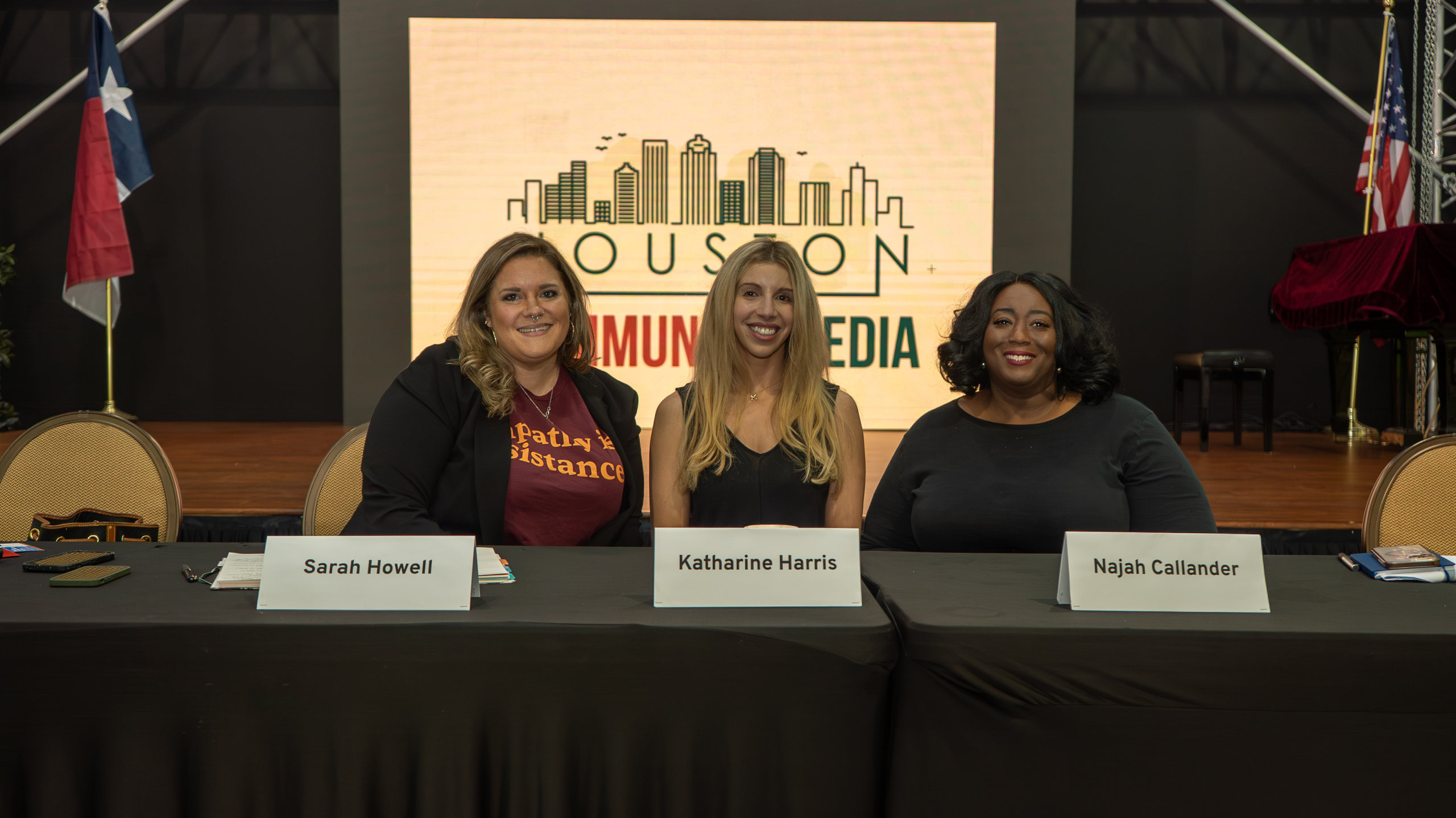
The mental health crisis in Houston schools is no longer a silent struggle; data shows a student body in deep distress. “27% of our high school and middle school students reported some difficulty accessing important support. And then we have campuses all over the district where 70% to 80% of students say one of their top five needs is mental health.”— Dr. Katharine Neill Harris, Rice University’s Baker Institute for Public Policy
To understand if local trends mirror national shifts, researchers like Dr. Harris look to broader data benchmarks.

“The nice thing about the CDC survey is it gives us a touchpoint for our kids over what is being said nationally… Surveying kids, families, and teachers the way that we did feels like a big part, because we are talking about roughly 40,000 folks in that last survey.”— Dr. Katharine Neill Harris
Houston’s youth are caught in a crossfire of state takeovers, campus restructurings, and aggressive budget cuts. Frontline school counselors and social workers have been systematically downsized. Sarah Howell, Executive Director of Survivors of Torture, founder of STAR Counseling, and a former school social worker, watched her own position vanish in the fallout, with the TEA takeover in 2023 and cuts to services, my position was eliminated, she said. But the need for mental health services saw a drastic increase.
The numbers back up this disparity. In a single academic year, Houston school counselors logged a staggering 79,000 student contacts—and 44 percent of those visits were for acute, immediate mental health crises. To survive the staffing shortage, the district birthed Sunrise Centers. Operating right in the heart of local communities, the centers serve as vital lifelines—offering everything from food security and healthcare navigation to youth counseling, academic support, and after-school activities.

“At younger and younger ages, students are exercising their voice and their ability to advocate for themselves and their needs, whether or not a parent is there.”— Najah Callander, Deputy Chief of Family and Community Partnerships for Houston ISD You cannot treat psychological trauma in a clinical vacuum. For many students, mental health is inextricably bound to poverty and housing insecurity. “For a number of the families we see in the centers, we are dealing with families who might be in crisis. They may be homeless, they may need food…Unless we take care of those necessities, we can’t cooperatively work with them on the other therapeutic things.” However, grass-roots providers note that external hubs cannot replace dedicated campus staff. As Howell points out: “Programs like Sunrise Centers are important, but you need both. We need more.”
Howell’s clinical background reveals a deep layer of institutional trauma operating silently within Texas classrooms. “I specialize in child trauma… rooted originally in refugee trauma… and then I met my kids making the trip from Honduras. I heard horrors from those young people that you wouldn’t believe.” Compounding this is an economy that forces working-class parents to pull double shifts, creating a heartbreaking “culture of alone.” Furthermore, schools are pricing working-class kids out of natural outlets. Many parents agreed that joining a sports team or cheer squad costs upwards of $1,500 per child, leaving low-income students structurally locked out.

By stripping public schools of auto shops, woodshops, and robust arts programs, districts have eliminated the exact tactile spaces that give a dysregulated kid a functional reason to show up in the morning. This structural erosion has left community advocates deeply skeptical of surface-level clinical fixes, especially when a revolving door of prescription medication is what’s consistently pushed onto vulnerable young people.
Advocates argue that true healing cannot happen in a standard 28-day insurance window or a brief six-session school counseling block. Long-term relational care requires permanent public funding. School funding across the state of Texas has fundamentally failed to keep pace with historic inflation. The structural solution requires holding lawmakers accountable at the state level.
Our youth and young adults have done their part. They have shown the moxy to look the community in the eye and state exactly what they need. It is time for the adults to stop apologizing, stop cutting, and finally START listening to fund the permanent infrastructure required to save our youth and young adults. “We also need bodies in Austin. Go and talk to your legislators. The school districts’ per-pupil funding has not kept up with inflation since 2019, we need to amplify this.”— Dr. Katharine Neill Harris