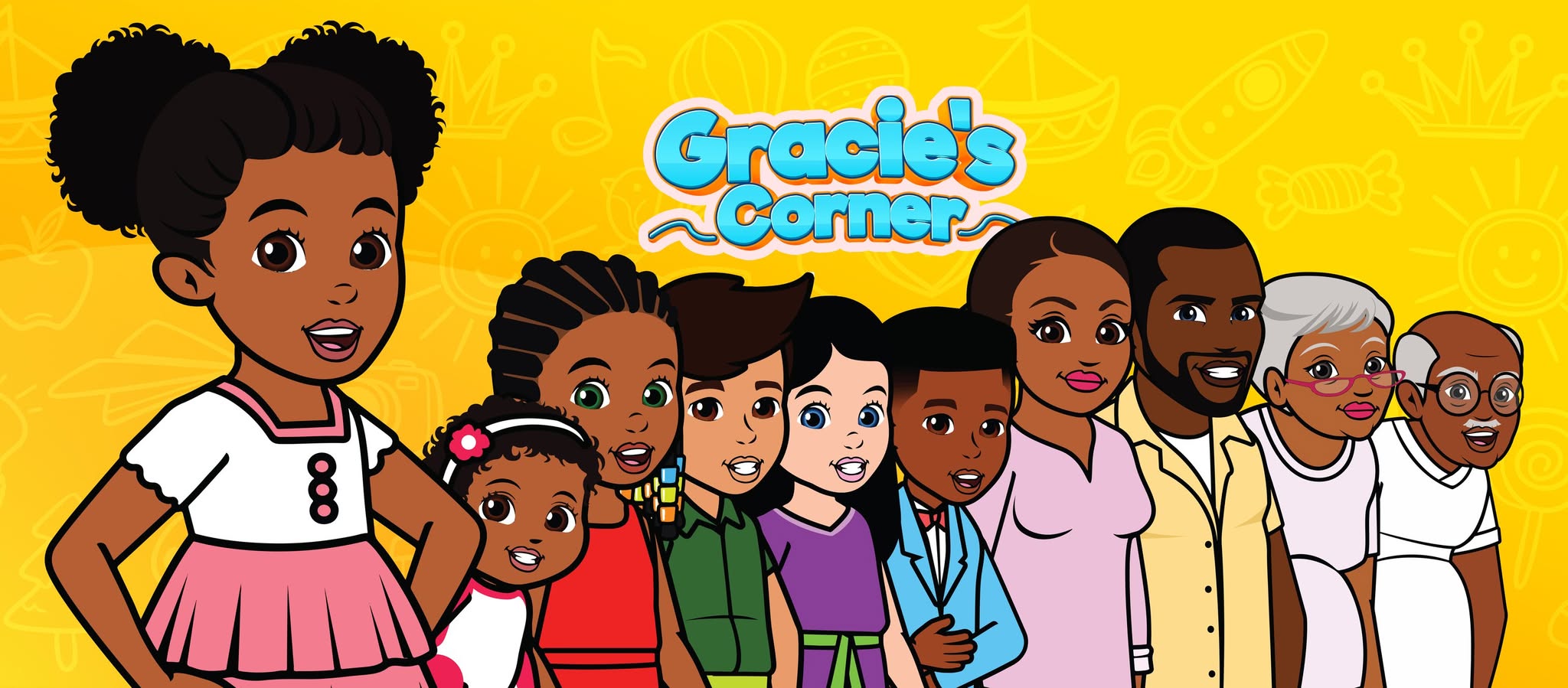
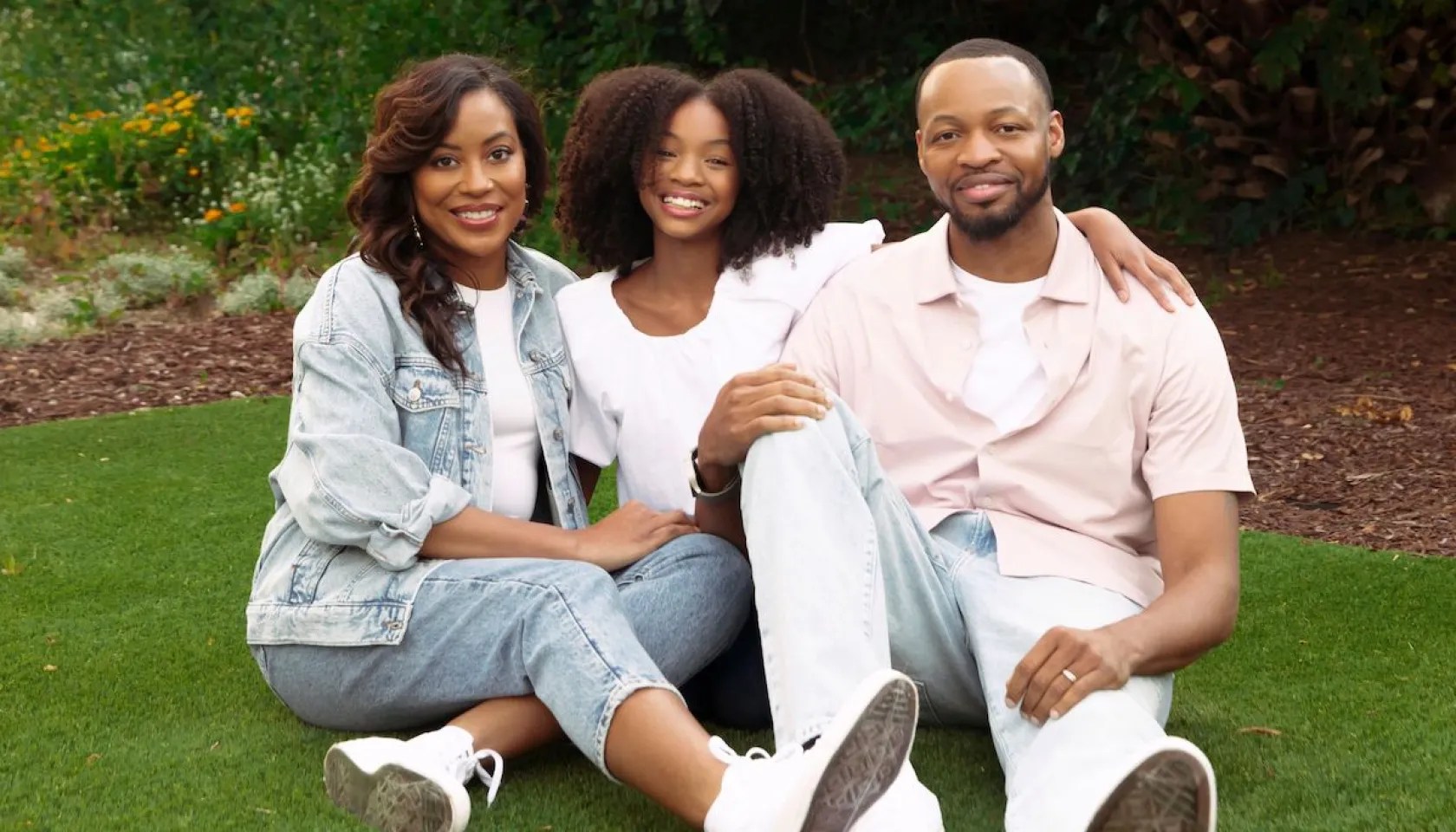
My daughter was only six months old when she immediately started bobbing her head to “Letter D,” a Gracie’s Corner song that my 6-year-old found on YouTube Kids. If you have a child under the age of five, you have undoubtedly run across a Gracie’s Corner video on YouTube. Created in 2020 by educators Dr. Javoris Hollingsworth and Dr. Arlene Gordon-Hollingsworth—alongside their 13-year-old daughter, Graceyn—the multi-billion-view phenomenon blends hip-hop, R&B, and trap beats with foundational early education and personal development.
Now, the culture is getting the ultimate mainstream upgrade. Disney has officially announced the acquisition of the global streaming and linear rights to the music-driven series.
The multi-year deal brings over 120 shorts and 18 compilations straight to Disney+ and Disney Jr., alongside a development agreement to produce brand-new original content. Crucially, the Hollingsworth family maintains full ownership of the brand and will keep their existing library on YouTube, ensuring the content remains free and accessible to families everywhere.
To understand why this is such a monumental cultural milestone, you have to look at exactly where Disney started. For generations, Black representation in mainstream animation was either completely nonexistent or deeply harmful.
Disney’s first-ever depiction of Black characters appeared in the heavily criticized, racially offensive, and subsequently locked-away 1946 film Song of the South. Years earlier, in 1941’s Dumbo, the character of “Jim Crow” was voiced by a white actor performing a modern-day minstrel show. In fact, it took nearly a century for the studio to introduce its very first Black princess, Tiana, in 2009’s The Princess and the Frog.
For decades, Black children had to look past the margins of their screens to catch a glimpse of themselves. Gracie’s Corner completely flips the script. Amassing nearly 10 billion lifetime views and securing four NAACP Image Awards, the show’s expansion of an animated Black girl rocking beautiful natural hair commanding the main stage of the world’s biggest media conglomerate is a massive win! For little Black boys and girls, it proves that their likeness, their culture, and their rhythms are worthy of the global spotlight. They aren’t just secondary characters or sidekicks in someone else’s story anymore—they are the blueprint.
Let’s not behave as if the house that Mickey built is doing the Hollingsworth family a favor. Disney is winning big here. This acquisition signals a necessary strategic pivot for Disney. Buying Gracie’s Corner proves that media giants are finally acknowledging the immense power, profitability, and cultural necessity of independent, digital creators.
By integrating the genius of independent Black creators directly into its ecosystem, Disney is securing its relevance with Gen Alpha and the generations to follow. The media giant is realizing that to capture the future of children’s entertainment, it can no longer rely on outdated formulas; it must embrace authentic, diverse, and self-made platforms.
When Gracie’s Corner makes its official debut on Disney+ and Disney Jr., it won’t just be teaching our babies their ABCs and 123s. It will be teaching the entire entertainment industry exactly how the future is built.