Let’s not mince words about what just went down in Texas. In a state where voter suppression is practically a pass-down heritage, Tarrant County officials executed a textbook maneuver: voting to slash 92 Election Day polling locations ahead of November.
That drops the county’s footprint from 316 sites in 2022 to a meager 224.
They’ll spin it in corporate speak, citing “efficiency,” “saving taxpayers money,” and cutting “low-turnout sites.” But anyone with an elementary grasp of Southern political history knows what time it is. Stripping almost 30 percent of voting locations out of a booming county of over two million people builds clear barriers.
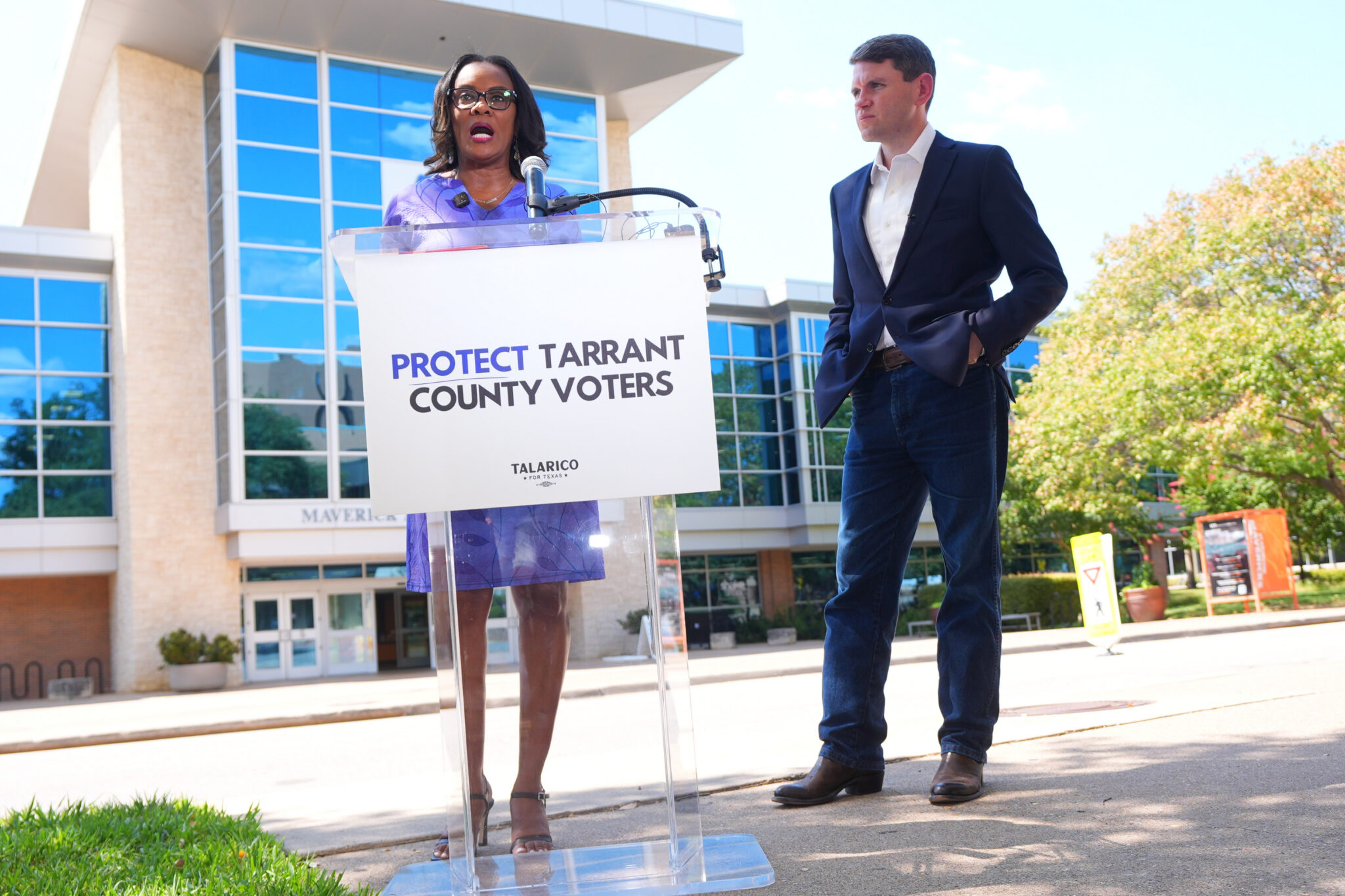
Tarrant County—Texas’s third-largest—has shifted into purple territory and serves as a critical front line in the U.S. Senate showdown between Democratic State Rep. James Talarico and Republican Attorney General Ken Paxton.
“It’s nearly a third of the polling locations in Tarrant County, and that means on Election Day there will be longer commutes, longer lines and lower voter turnout, especially in our Black and brown communities,” Talarico warned.
In communities where taking time off work isn’t a luxury and childcare is tight, adding logistical headaches to Election Day turns registered voters into non-voters.
“Our population hasn’t shrunk. Our electorate hasn’t shrunk. I need a clear, convincing explanation for why a growing county is providing meaningfully fewer places to vote, and I haven’t gotten one yet,” said Tarrant County Commissioner Rodrick Miles Jr.
The county judge claimed these closures were simply “practical”—citing decommissioned buildings and non-compliance with the Americans with Disabilities Act. While maintenance is understandable, stripping high-volume hubs like the University of Texas at Arlington and Bethlehem Baptist Church tells a different story. Cutting the sole polling site serving thousands of students and a historic Black church that tripled its turnout between 2024 and 2026 isn’t cleanup; it’s a targeted tactic to silence engaged communities.
Kayla Gillespie, a student at UTA, implored leaders to keep the campus site open: “Accessibility is one of the biggest factors when it comes to young voters,” she said.
Commissioner Alisa Simmons read from an email where a UTA official confirmed the campus was “happy to accommodate early voting and day-of voting at the Maverick Activity Center.” Election Administrator Clint Ludwig claimed he did not receive final confirmation until the Saturday before the vote. Simmons argued that forcing students off-campus ignores reality: “You expect the student to walk a mile to the Arlington sub-courthouse,” she said. “You walk a mile, and it’s going to take you about 45 minutes each way, and you’ve got class to get back to.”
Democratic officials, the NAACP, and the ACLU came out swinging, but no formal legal filings had landed as of reporting time. Unless a court steps in, this stripped-down 224-site map will govern November.
To verify your registration or review official voter resources, visit the Texas Secretary of State Voter Portal.