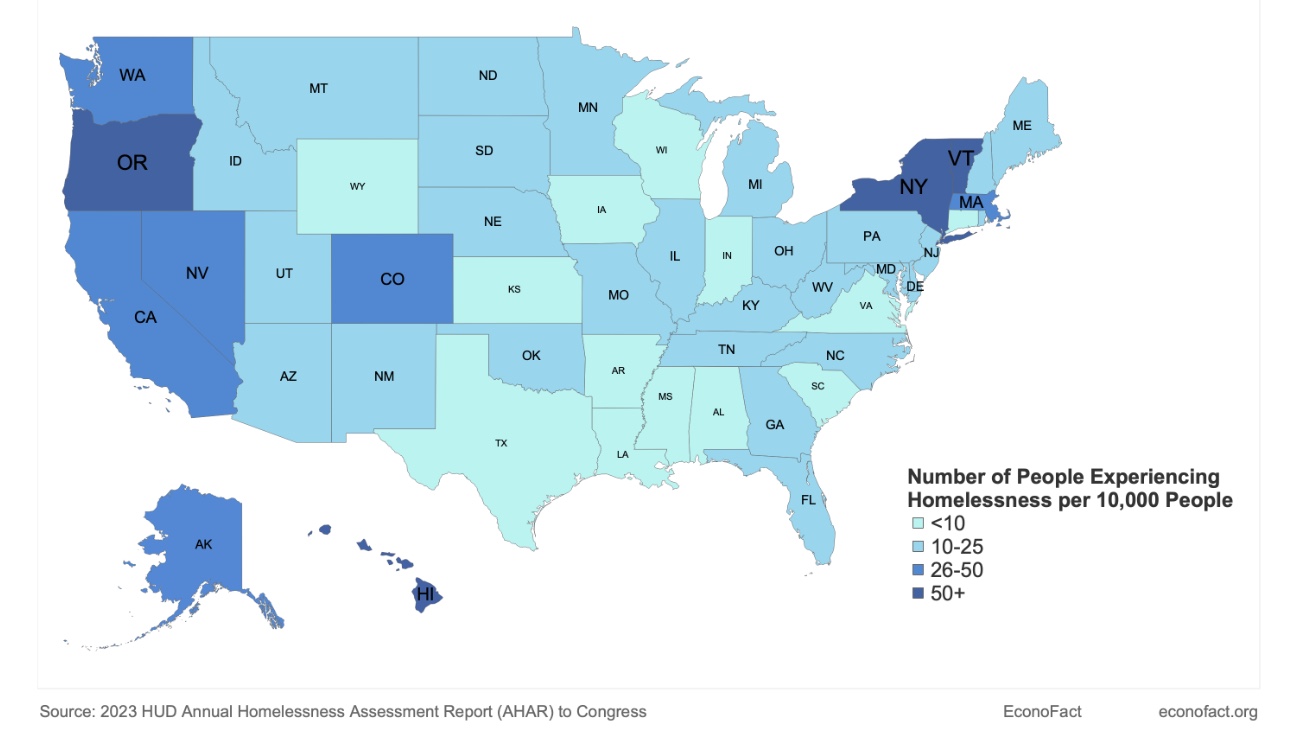
Across the United States, the housing market is broken. You may have read that it is not merely expensive; it is structurally unsound, locking millions out of stability and disproportionately impacting our most vulnerable communities. This is an economic crisis, a public health crisis, and a moral failure across the nation. “Rent increased 9% in one year, which outpaced wage growth… 15,000 more renter households were cost-burdened in 2023,” said panelist Caroline Cheong, Kinder Institute for Urban Research, Rice University. But amidst the struggle, Houston, Texas, offers a clear, evidence-based blueprint for stabilizing the crisis—a plan that urgently requires sustained federal and state funding to reach its potential.
The core issue is a persistent and growing shortage of affordable homes. According to the National Low Income Housing Coalition (NLIHC), there is a deficit of 7.3 million affordable rental homes available to the nation’s lowest-income renters. This scarcity forces families to spend unsustainable portions of their income just to keep a roof over their heads. “Vulnerable people are living in vulnerable places. Residents with less means to respond to floods are concentrated in flood-prone neighborhoods,” Caroline Cheong.
The Disproportionate Burden
This crisis does not affect all Americans equally. Data from sources like the Census Bureau and the NLIHC consistently show that Black and Hispanic households bear the heaviest burden of housing insecurity, eviction, and cost-burdened rental situations.
- Eviction: Studies often highlight that Black renters face eviction filings at rates significantly higher than white renters. For instance, research from the Eviction Lab at Princeton University has meticulously documented how historical segregation and modern economic disparities create a cycle where minority households are overrepresented in eviction courts, leading to instability and intergenerational poverty.
- Cost Burden: According to recent analyses, a far greater percentage of Black and Hispanic renters are severely cost-burdened (spending more than 50% of their income on rent) compared to non-Hispanic white renters. This leaves virtually no room for savings, healthcare, or unforeseen expenses, maintaining the racial wealth gap.
The crisis is rooted in historic redlining, systemic underinvestment in minority communities, and exclusionary zoning practices that limit the supply of multi-family housing.

Houston’s Evidence-Based Solution
While many major metropolitan areas remain gridlocked by restrictive zoning and political infighting, Houston has quietly emerged as a national leader in addressing homelessness and increasing housing supply, proving that large-scale progress is possible.
“We have a coordinated homeless response system in Houston — it’s called The Way Home —a public-private partnership working to make homelessness rare, brief, and non-recurring through housing with services. Since 2012, partners of The Way Home have housed more than 35,000 people experiencing homelessness — every one of those individuals got an apartment with a rental subsidy and a case manager. Most of the funding for Houston’s homelessness response system comes from the federal government via the U.S. Department of Housing and Urban Development. Last year, we received about $70 million, and that actually went to about 30 different service providers throughout that three-county area. Those providers offer permanent housing for people who were formerly homeless, and they provide those supportive services,” panelist Catherine Villareal, Coalition for the Homeless.
Key components of Houston’s blueprint include:
- The Way Home Program: Also known as the local homeless response system, The Way Home is made up of more than 100 partners — including homeless service agencies, local governments, public housing authorities, the local Veterans Affairs office, and other nonprofits and community stakeholders — and encompasses Harris, Fort Bend, and Montgomery counties, Texas. The partners of The Way Home work together to make homelessness rare, brief, and non-recurring in our region. The Coalition for the Homeless of Houston/Harris County, a 501c3, is the lead agency for The Way Home.
- Addressing ALL Factors: “Homelessness is not caused by one thing — it is usually the interaction of many different factors, health being one of them.” Carlie Brown — Healthcare for The Homeless Houston. To fully address Homelessness, you have to address ALL causes: Insurance premiums, Environmental injustice, Flood zones, Healthcare, Climate change, Mental Health, and so much more.
- Flexible Zoning: Crucially, Houston is one of the few major American cities without city-wide zoning restrictions. This market flexibility allows for diverse housing types—from single-family homes to apartments and townhomes—to be built more easily and at lower cost, which naturally helps increase supply and stabilize prices compared to highly restricted markets.

The Missing Ingredient: Scaling the Funding
Houston has demonstrated that the political will and the tactical infrastructure exist to solve the crisis. However, the success achieved so far relies heavily on one-time federal funding from sources like the COVID-19 relief legislation (e.g., Emergency Rental Assistance and specific HUD initiatives).
To scale this blueprint nationwide and maintain Houston’s success, what is needed is sustained, predictable federal and state investment.
- Funding is required not just for new construction, but for deep rental assistance subsidies (to help the severely cost-burdened households NLIHC identifies) and for service delivery (to ensure residents housed through “Housing First” remain housed).
- The flexibility and success of Houston’s model prove that federal dollars can be used efficiently and effectively when paired with strong local coordination and a commitment to removing bureaucratic hurdles.
The United States needs to stop treating affordable housing as an optional item in the budget and recognize it as essential infrastructure—as vital as roads or clean water. Houston has done the difficult work of proving the model. Now, our elected leaders must provide the funding to replicate this blueprint across every city battling this defining American crisis. The stability of our communities and the fairness of our economy, depends on it.
Get Help or Help Someone
Houston-Area Resources
- Coalition for the Homeless
- The Way Home
- Healthcare for the Homeless
- VA Houston Homeless Veterans Resources
- Harris County Homeless Programs
Need immediate assistance?
Call 211 (Houston/Harris County Helpline)