In a state where election laws are often described as a “thicket of confusion,” the message from the Texas Civil Rights Project (TCRP) this week was simple: knowledge is the ultimate ballot protection.
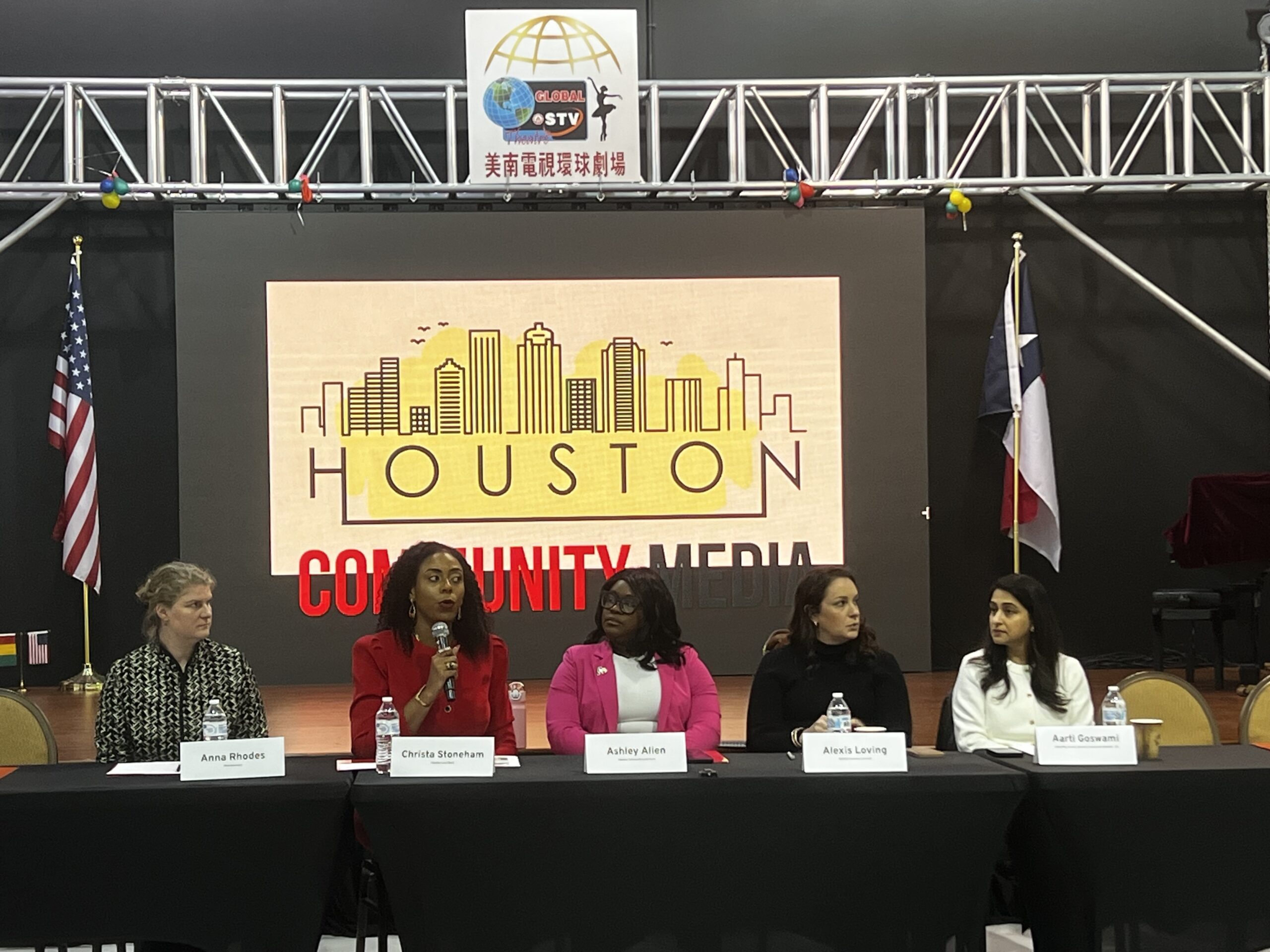
As early voting ends and Houstonians prepare for the March 3rd primaries, a diverse coalition of community media—representing Vietnamese, Chinese, Spanish, Pakistani, and Black Press—gathered at the Southern News Group offices to hear from the legal experts tasked with guarding the vote. The goal of the briefing was straightforward: to educate and ensure that technicalities do not lead to disenfranchisement.
“Election laws are very confusing and very complicated,” admitted Carl Blair, a Senior Election Protection Attorney with TCRP. “Let’s try to demystify some of those today.”
The Race Against the Clock
While the window to register has closed, the clock is ticking on critical logistical milestones. Blair emphasized that for those utilizing mail-in ballots, the application must be submitted by February 20th.
Perhaps the most important takeaway for mail-in voters is the “cure” process. If a voter makes a technical error, such as forgetting a driver’s license number, they have a window to fix it. “If somebody has a problem with their mail-in ballot… they have a process to cure it or fix that problem,” Blair noted, pointing to the March 9th deadline for in-person ballot curing.
The “Strictest” ID Threshold
While the SAVE ACT has people arguing about it being a glorified Poll Tax and Voter Suppression, Texas maintains what Blair described as “arguably the strictest type of voter ID law in the country.” While only seven forms of photo ID are accepted (See my Voter Cheat Sheet below), you may only have access to 2. However, the briefing focused heavily on debunking myths that poll workers sometimes use to incorrectly turn voters away.
Blair was firm on three points of law:
- No address matching is required: The address on your ID does not have to match your registration record.
- No exact name match is required: Common nicknames or maiden names are acceptable if “substantially similar.”
- No gender marker match is required: A voter’s physical presentation not matching their ID photo “is not a valid reason for an election worker to deny them a ballot.”
The Right to Help
A major focus for the community publishers in the room—who serve audiences in over 350 languages—was language and disability assistance. Under the law, any voter who needs help translating or navigating the ballot can bring a person of their choice into the booth.
“There’s no age limit on anybody who can assist a voter,” Blair clarified. Whether it’s a grandchild translating for a grandparent or a friend assisting a neighbor with a disability, the right to assistance is protected.
However, advocates expressed caution regarding curbside voting. While mandatory at every location, a new law requires curbside voters to sign an affidavit under penalty of perjury. “We are concerned that’s something that is going to add confusion for disabled voters,” Blair warned.
Guardians at the Gate
Voters heading to the polls will encounter various figures: Poll Workers running the show, partisan Poll Watchers observing, and nonpartisan Poll Monitors offering help. Voting Rights Staff Attorney, Nina Oishi, highlighted the need to stay alert for “poll watcher misconduct” and “misleading or false information,” such as bad actors telling residents that different parties vote on different days.
To combat this, TCRP and its partners, including the League of Women Voters, have activated a suite of multi-lingual hotlines. These lines are staffed by real people ready to intervene if a voter is intimidated or blocked.
As March 3rd nears, the call to action for Houstonians is to treat the ballot as a community effort. If the “front door” of the polling place feels blocked, the legal community is standing by to push it open.
To help you navigate the voter maze, I have created a cheat sheet: