To the casual observer, the “Houston Miracle” is often measured in statistics: a 60% reduction in homelessness since 2011, or the rapid skyline expansion of a city that never stops building. But for those on the front lines of the city’s housing crisis, the reality is far more fragile. At a recent Houston Community Media briefing, the message from experts was clear: getting someone into a home is merely a starting point. The real challenge is keeping them there.
“Housing is not a finish line,” said Alexis Loving, President and CEO of SEARCH Homeless Services. As the city grapples with rising costs and limited subsidies, the conversation has shifted from temporary fixes to a systemic overhaul of how Houston handles its land, its vouchers, and its most vulnerable neighbors.
The Foundation: Land and Power
The struggle to stay housed begins with the ground itself. Christa Stoneham, President and CEO of the Houston Land Bank, views her role as transforming the city “one site at a time.” The Land Bank acts as a strategic bridge, taking underutilized public land and transferring it at discounted rates to ensure affordability is passed on to the residents who need it most.
But in a city prone to catastrophic weather, Stoneham argues that a house is only as stable as its resilience. “The question isn’t if we’re going to be hit with another storm—it’s when,” she noted, emphasizing that the Land Bank is focused on “building smarter,” incorporating flood mitigation and green space into redevelopment projects to ensure that the next climate event doesn’t sweep away a family’s home.
While the Land Bank focuses on the dirt, the Houston Community Land Trust (CLT) focuses on the equity. Ashley Allen, the CLT’s Executive Director, champions a model that separates land ownership from homeownership. By keeping the land in a community-controlled trust, the CLT restricts resale prices and stabilizes property taxes.
“We don’t have a problem building in Houston,” Allen told attendees. “We have a problem sustaining affordability.” By utilizing a model rooted in the civil-rights era, the CLT ensures that public subsidies don’t just disappear into the private market after one sale, but instead provide “permanent affordability” for generations of teachers, retirees, and graduates.
The Barrier: The Voucher Gap
For many, the path to stability is paved with a Housing Choice Voucher. However, that path is increasingly blocked. Anna Rhodes, an Associate Professor of Sociology at Rice University’s Kinder Institute, highlighted a staggering disparity: only 1 in 4 eligible households nationwide actually receives federal rental assistance.
In Houston and Harris County, the waitlists are currently closed. For the lucky few who do hold a voucher, the obstacles remain immense. “In Texas, landlords can legally refuse to rent to someone because they use a voucher,” Rhodes explained. This lack of source-of-income protection, combined with administrative delays, often leaves voucher holders with a “golden ticket” they cannot spend. While a new $5 million HUD grant for a mobility voucher program offers hope for families seeking “higher-opportunity neighborhoods,” the structural gaps in the system remain a primary driver of housing instability.
The Human Element: Beyond the Four Walls
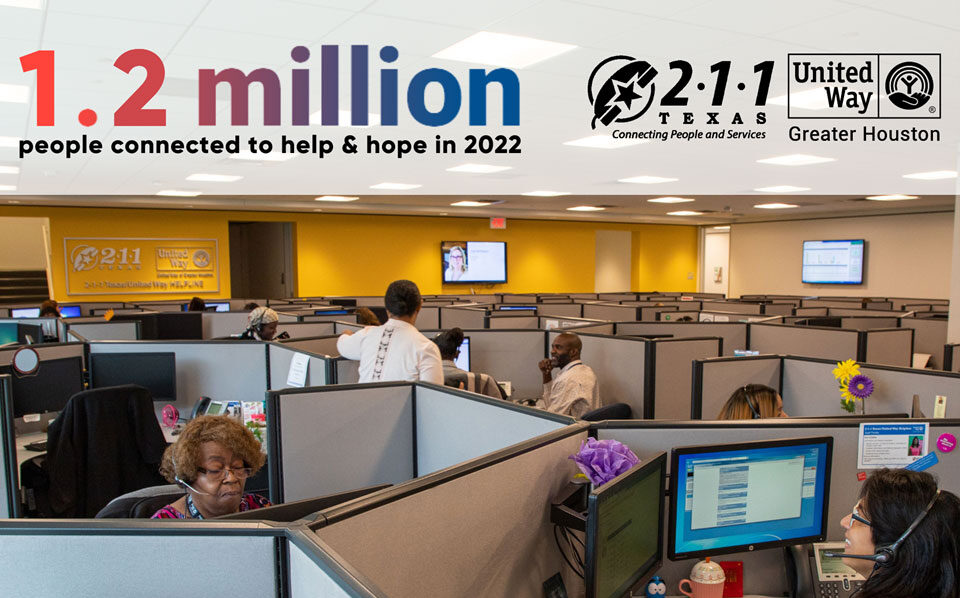
When the system fails, residents turn to the “front door” of community resources: 211. Aarti Goswami, Assistant Vice President at United Way Greater Houston, reported that their 211 system—one of the largest in the country—handles over one million connections annually. Since the pandemic, demand for rent and utility help has never returned to pre-COVID levels.
“The needs are great, and the resources simply aren’t there,” Goswami said, noting that every call connects a resident to a “real live person” trained to navigate a complex web of food, transport, and mental health services.
This “wraparound” support is what Alexis Loving identifies as the missing piece of the housing puzzle. Stability requires more than a roof; it requires medical care, income stabilization, and a sense of belonging. “None of us are independent,” Loving reminded the room. “We all rely on community.”
The Road Ahead
As Houston continues to grow, true success lies in the “power” given back to residents through land trusts, the “resilience” of homes built by the Land Bank, and the “sustained funding” of services that prevent a temporary crisis from becoming permanent displacement.
For the thousands of Houstonians currently balancing on the edge of the housing cliff, the message from the briefing was both a warning and a call to action. Getting housed is a victory, but staying housed is a community-wide responsibility.
Residents needing assistance with housing, utilities, or emergency services can dial 211 or visit 211texas.org for free, confidential help available 24/7.